stud
bud
Sign up
Log in
Home
Library
Explore
SAT
More
AP Art History Review - Pre History - Early Christian Flashcards | StudBud
Explore
/
AP Art History Review - Pre History - Early Christian
AP Art History Review - Pre History - Early Christian
42 terms
·
StudBud Administration
·
136 plays
Review part one for AP Art History Exam #history #art #art
Flashcards
42 cards
F
Practice quiz
P
Host live
L
Questions
42
Answers
1
Name the piece
White temple
Temple of Hatshepsut
Altar of Zeus and Athena at Pergamon
Acropolis at Athens
2
What conventions are
NOT
viewed in the Lascaux cave paintings?
use of scaffolding to reach workspace
overlapping figures
twisted perspective
use of primary colors
3
When and where was this piece created?
Solomon Island; 1000 BCE
Arabian Peninsula 1700 BCE
Peru; 1000 BCE
Cook Islands; 1500BCE
4
Name the piece
Mortuary Temple of Hatshepsut
Acropolis at Athens
Alter of Zeus and Athena at Pergamon
White temple
5
Attribute this piece to the time period it was created
Hellensitic
Late Antique
Archaic
Classical
6
Attribute this piece to the time period it was created
Old Kingdom
Armana Period
NewKingdom
Middle Kingdom
7
Attribute this piece to the time period it was created
Armana Period
New Kingdom
Middle Kingdom
Old Kingdom
8
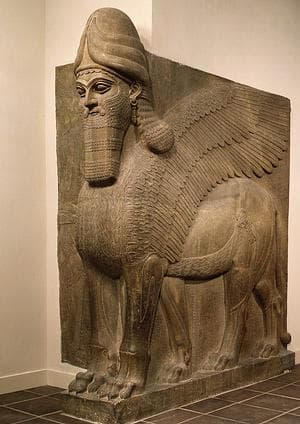
What piece is made out of the same material?
Hatshepsut with offering jars
Terra cotta fragments
Lamassu
Ambum Stone
9
Name the piece
white temple
temple at pergamon
Temple of Hatshepsut
Acropolis at Athens
10
Attribute this piece to it's culture
Assyrian
Babylonian
Persian
Sumerian
11
Attribute this piece to the time period it was created
Archaic
Late Antique
Classical
Hellensitic
12
This peice was found near a burial site
True
False
13
What virtues is this piece
NOT
linked to?
piety
subtlety
beauty
duarbility
14
After 380 CE, Christ took on an imperial image instead of the humble shepherd look
False
True
15
Name the religious structure
Hagia Sophia
Mosque of Selim II
Santa Sabina
San Vitale
16
Name this structure
San Vitale
Santa Sabina
St. Peters Basillica
Basillica of Ulpia
17
This site exemplifies what type of building design?
Post and Lintel
pylons
corbelling
squinches
18
Name the church
Basillica of Ulpia
St. Peters Basillica
San Vitale
Santa Sabina
19
What was the Purpose of this piece?
carried into battle
unsure
religious purpose
to give owner power
20
When were these stones discovered?
time of French Revolution
Era of Impressionist Art
During the roaring 20's
Time of Apollo Moon Landing
21
What is this piece made out of?
terra cotta
ambum stone
clay
greywacke
22
What is NOT true about this image?
found in 1930
carved from a camel like animal's bones
mesoamericans believed the the sacrum was a "second skull"
Carved from bone found at the base of the spine
23
Attribute this piece to it's culture
Persian
Babylonian
Sumerian
Assyrian
24
Attribute these pieces to the time period they were created
Archaic
Hellensitic
Late Antique
Classical
25
The Orant Figure pose dates back to the greeks
True
False
26
Attribute this piece to the time period it was created
Hellensitic
Late Antique
Classical
Archaic
27
Name the piece
Mortuary Temple of Hatshepsut
Alter of Zeus and Athena at Pergamon
Temple of Amun-Re
Acropolis at Athens
28
Attribute this piece to the time period it was created
Armana Period
NewKingdom
Old Kingdom
Middle Kingdom
29
Attribute this piece to it's culture
Assyrian
Sumerian
Persian
Babylonian
30
Name the religious structure
San Vitale
Hagia Sophia
Santa Sabina
Mosque of Selim II
31
Attribute this piece to it's culture
Sumerian
Assyrian
Persian
Babylonian
32
Name the piece
Athenian Agora
Alter of Zeus and Athena at Pergamon
Acropolis at Athens
Temple of Amun-Re
33
Which is
NOT
a theory regarding this site?
Took thousands of years to build
center of ritual ceremonies concerning death
used as a calendar, to predict eclipses
It was created for the magician Merlin
34
Attribute this piece to the time period it was created
Middle Kingdom
NewKingdom
Armana Period
Old Kingdom
35
Name the religious structure
Hagia Sophia
Santa Sabina
Mosque of Selim II
San Vitale
36
Attribute this piece to the time period it was created
Late Antique
Hellensitic
Archaic
Classical
37
Attribute this piece to the time period it was created
NewKingdom
Middle Kingdom
Old Kingdom
Armana Period
38
Which is INCORRECT about this image?
Rock Painting
15000-13000BCE
Tassil n'Ajjer, Algeria
Running Horned Woman
39
Attribute this piece to the time period it was created
Classical
Hellensitic
Late Antique
Archaic
40
Which description fits this piece?
All answers are correct
large thighs
two faced; may reveal deformity of time
unclothed except for jewelry
41
Attribute this piece to the time period it was created
NewKingdom
Old Kingdom
Middle Kingdom
Armana Period
42
Attribute this piece to it's culture
Babylonian
Sumerian
Persian
Assyrian