stud
bud
Sign up
Log in
Home
Library
Explore
SAT
More
Astronomy Solar System Review Flashcards | StudBud
Explore
/
Astronomy Solar System Review
Astronomy Solar System Review
44 terms
·
StudBud Administration
·
2,609 plays
High School Astronomy Solar System Review #astronomy #solarsystem #planets
Flashcards
44 cards
F
Practice quiz
P
Host live
L
Questions
44
Answers
1
What is the largest object in our solar system?
Jupiter
the sun
charon
Earth
2
Choose which is NOT a terrestrial planet.
Earth
Saturn
Mercury
Mars
3
Which moon is volcanically active?
Europa
Ganymede
Io
Callisto
4
This gorgeous moon orbits Saturn.
Ceres
Titan
Triton
Europa
5
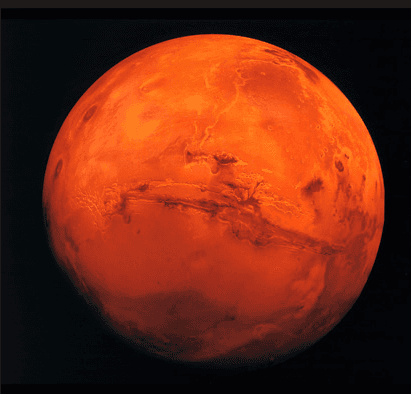
What planet is shown in the picture?
Pluto
Mercury
Mars
Venus
6
Which planet can claim the moon Triton?
Jupiter
Saturn
Uranus
Neptune
7
Which of the following planets does NOT have rings?
Uranus
Saturn
Mars
Neptune
8
What is the main difference between a terrestrial and Jovian planet?
rings
size
length of day
color
9
Which star is the brightest in our night sky?
Merak
Delta
Sirius
Betelgeuse
10
This planet spins backwards.
mars
Earth
mercury
venus
11
Which would indicate the brightest magnitude of a star?
-1
2
0
1
12
This clouded planet has plains, highlands and thousands of volcanoes!
Mars
Venus
Mercury
Earth
13
Which of these planet pairs have rings?
Jupiter and Saturn
Venus and Mars
Ceres and Neptune
Mercury and Mars
14
What is the distance of one AU?
distance to edge of our solar system
1 light year
distance from Earth to the moon
93 million miles
15
What is true?
The asteroid belt lies between Jupiter and Saturn.
Andromeda is the name of our galaxy.
Ceres is a dwarf planet and an asteroid.
Pluto was a dwarf planet and is now a comet.
16
Blue Green Planet that lies on its side..
Jupiter
Saturn
Uranus
Neptune
17
This planet is named after the swift Roman god.
mercury
Earth
venus
mars
18
This planet has a dense atmosphere of carbon dioxide and high surface temperature.
Venus
Earth
Mars
Mercury
19
Which doesn't belong?
venus
mercury
saturn
mars
20
This moon has active volcanoes and is found orbiting the largest planet!
Europa
Io
Titon
Deimos
21
What color is saturn?
red
yellow
green
blue
22
Which planet has the moon titan?
neptune
jupiter
uranus
saturn
23
What constellation is shown?
ursa major
ursa minor
andromeda
Casseopeia
24
Which is not a part of the solar system?
moons
galaxies
meteors
planets
25
This planet shows evidence of water erosion.
Mars
Saturn
Mercury
Venus
26
This planet has extreme temperature variation from day to night.
Mars
Earth
Venus
Mercury
27
This is the brightest planet in the night sky.
Earth
venus
mercury
mars
28
Which planet might be about 30 AU's from the sun?
Neptune
Earth
Jupiter
Mars
29
What country first sent people to the moon?
Canada
Russia
France
United States
30
What is the most common gas in the universe?
Hydrogen
Helium
Carbon
Nitrogen
31
This planet has a reddish appearance due to iron on the surface.
mercury
venus
mars
Earth
32
Which gases are most prevalent on the Jovian planets?
carbon dioxide and water vapor
hydrogen and helium
hydrogen and oxygen
nitrogen and argon
33
What is another name for satellite?
comet
asteroid
dwarf
moon
34
Where is the asteroid belt?
after Jupiter
after Earth
after Mars
after venus
35
Which of the following is NOT a Jovian planet?
Saturn
Uranus
Earth
Neptune
36
What do you call the head of a comet?
coma
comet head
dust tail
ion tail
37
Name the constellation.
Andromeda
Orion
Hydra
Casseiopeia
38
Why isn't Pluto a planet?
can't clear orbit
no atmosphere
it's rocky
too big
39
In 2006 Pluto was changed from a planet to a ____.
comet
dwarf planet
planetismal
meteor
40
Which planet looks like the moon? (all pitted)
mars
mercury
Earth
venus
41
Which is NOT a moon of Mars?
All are moons of Mars
Ganymede
Phobos
Deimos
42
What gas is responsible for a runaway greenhouse effect?
Nitrogen
Argon
Carbon Dioxide
Oxygen
43
Name the constellation which means big dog.
Orion
Ursa Minor
Canis Minor
Canis Major
44
How many might be the number of moons around Jupiter?
12
67
2
4